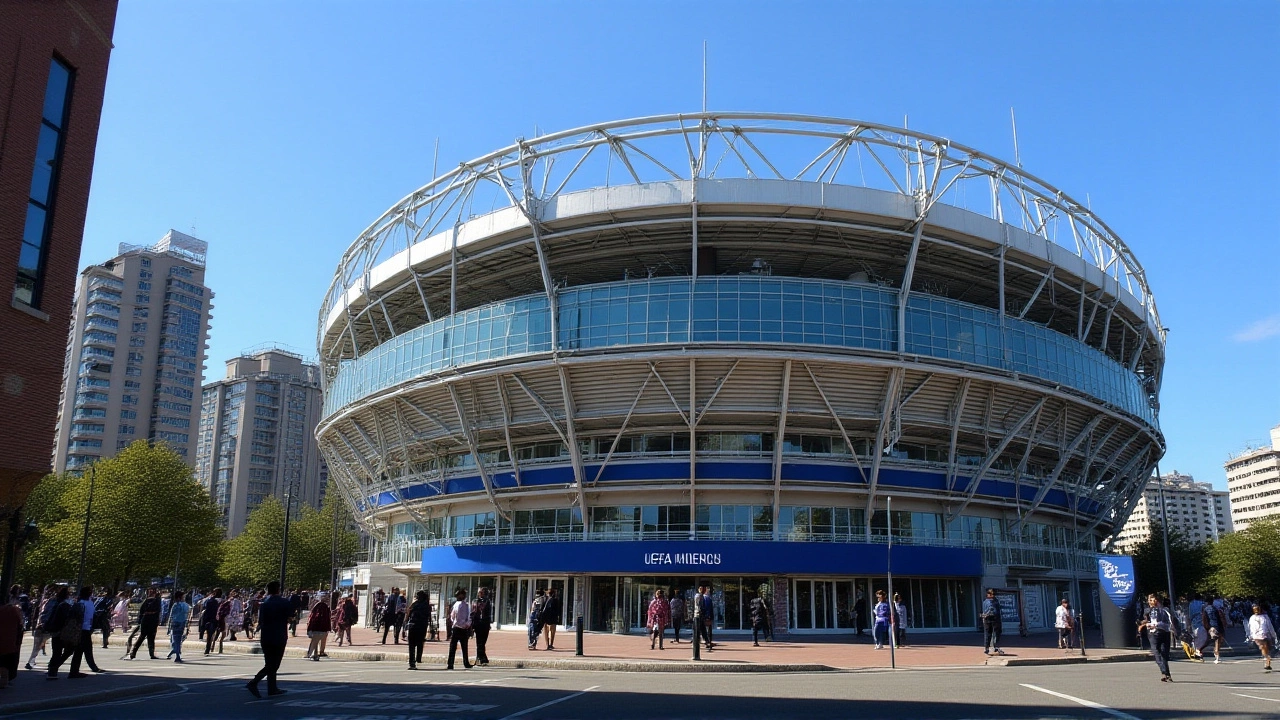
On a cold November night at Stamford Bridge, Chelsea Football Club buried FC Barcelona under a storm of pressure, pace, and precision — 3-0, with ten men on the other side and a 17-year-old Brazilian sensation stealing the show. The match, played on UEFA Champions League 2025/26 Matchday 5Stamford Bridge, drew 39,323 fans who witnessed not just a win, but a statement: Chelsea are back in the Champions League conversation — and they’re playing with fire.
The Turning Point: Araújo’s Red and the Collapse of Barcelona’s Resolve
It was the 44th minute when everything changed. Ronald Araújo, Barcelona’s captain and defensive rock, lunged recklessly into a challenge on Reece James. No ball. Just studs. The referee didn’t hesitate. Red card. The Catalan side, already struggling to find rhythm, were suddenly down to ten men with half the match remaining. The atmosphere at Stamford Bridge shifted from tense to electric. Barcelona had come into the game with hopes of clawing back from a poor group stage start, but now they were playing not just for points — but for dignity.Chelsea’s Masterclass: Maresca’s Tactical Gambit Pays Off
Enzo Maresca, the 45-year-old Spanish tactician in his 18th month at the helm, made five changes from Chelsea’s 2-0 Premier League win over Burnley. He dropped the usual suspects — no Cole Palmer, no Nkunku — and went young, hungry, and direct. The lineup? A spine of Moisés Caicedo and Reece James in midfield, flanked by the electric Estêvão Willian and Enzo Fernández. Up front, Pedro Neto and Alejandro Garnacho stretched Barcelona’s fragile backline. Barcelona, managed by Hansi Flick, stuck with experience over youth — 37-year-old Robert Lewandowski leading the line, Frenkie de Jong dictating from deep. But the midfield was outmuscled, outworked, and outmaneuvered. Chelsea didn’t just win the ball — they swallowed it, chewed it, and spat it out in dangerous areas.Goals, Near-Misses, and the Rise of Estêvão
The scoring began not with a star, but with a mistake. In the 40th minute, Jules Kounde, under pressure from Enzo Fernández, tried to clear a low cross — and instead guided it past his own keeper, Joan García. 1-0. A cruel twist for the French fullback, who’d been one of Barcelona’s few bright spots. Then came the moment that defined the night. At the 50th minute, Estêvão Willian received the ball 25 yards out on the right flank. No hesitation. One touch to cut inside. Two more to accelerate. A feint past Eric García. A curling right-footed rocket into the top corner. The stadium erupted. The kid from São Paulo — barely old enough to drive — had just scored his first Champions League goal. ESPN called it “an outstanding individual goal.” Those who saw it called it unforgettable. The third came at 87 minutes. Substitute Liam Delap, who’d only come on in the 73rd, pounced on a loose ball after a scramble in the box. His first goal since the Club World Cup — and it sealed a statement win. 3-0. No fluke. No mercy.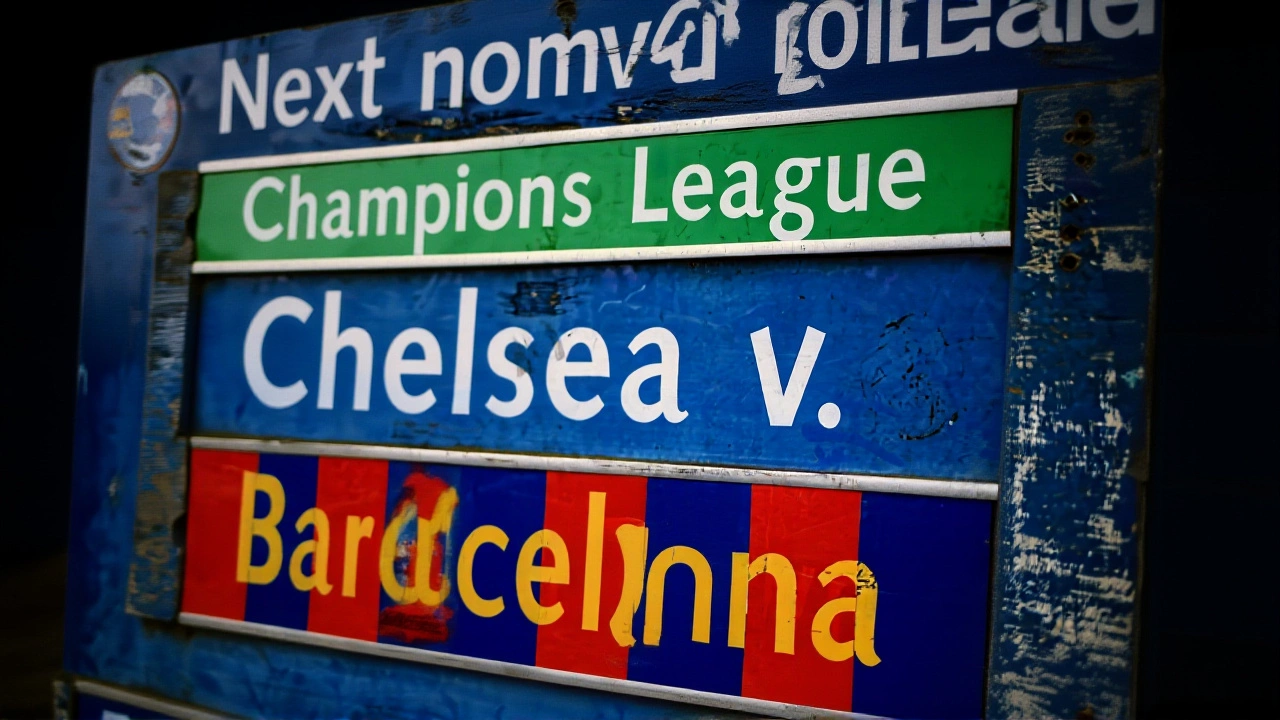
What This Means for the Group and Beyond
Before this match, Chelsea sat third in Group D, two points behind leaders Bayern Munich and one behind AC Milan. A draw would’ve kept them in the hunt. A win? That’s a lifeline. Now, with 10 points from five matches, they need only wins against AC Milan and FC Porto to guarantee top-two finish and automatic passage to the last 16. No more play-in drama. No more nervy final days. For Barcelona, it’s a disaster. They’ve now lost three of their last five Champions League matches. Flick’s rotation policy — tinkering with a squad still rebuilding after the departure of Pedri and Gavi — looks increasingly disjointed. With Robert Lewandowski aging and Lamine Yamal isolated, the attack lacks cohesion. They’re now third in the group, with only a win over Bayern in their final match standing between them and Europa League humiliation.Behind the Scenes: Absences, Returns, and the Quiet Heroes
Chelsea’s absence of Cole Palmer — their creative engine — was expected. But no one noticed. Moisés Caicedo filled the void with 127 touches and 92% pass accuracy. Trevoh Chalobah was a wall at the back. Even Robert Sánchez, often criticized, made two vital saves — including a fingertip stop from a Lewandowski header in the 65th. Barcelona’s injury woes continued. Gavi remained sidelined, and Marc-André ter Stegen — their last reliable defender — was still recovering. Joan García, 28, was thrust into the spotlight. He kept them in it early, but couldn’t stop the tide.
What’s Next?
Chelsea face AC Milan at home on December 11 — a must-win. Then, a trip to FC Porto on December 18. If they win both, they’ll be in the last 16 with a game to spare. Maresca’s young squad is gelling. Estêvão is no longer a prospect — he’s a player. And for the first time since 2021, Stamford Bridge feels like a fortress again. Barcelona? They’ll be back in La Liga, chasing Real Madrid and Atlético. But in Europe? They’re fading. Flick’s job security is now in question. The board will be watching — especially after this performance.Frequently Asked Questions
How did Estêvão Willian’s performance impact Chelsea’s Champions League campaign?
Estêvão Willian’s 50th-minute goal wasn’t just his first in the Champions League — it signaled a turning point for Chelsea’s youth-driven rebuild. At 17, he became the youngest Chelsea scorer in European competition since Mason Mount in 2019. His pace, composure, and finishing under pressure gave Maresca a new attacking weapon, reducing reliance on veterans. This goal alone could be the catalyst that secures Chelsea’s top-two finish in Group D.
Why was Ronald Araújo’s red card so decisive?
Araújo wasn’t just Barcelona’s captain — he was their defensive anchor and emotional leader. His dismissal forced Flick to abandon possession play and retreat into a 5-4-1 shape, surrendering the midfield to Chelsea’s trio of Caicedo, James, and Fernández. Barcelona’s average possession dropped from 58% to 39% after the red card, and they managed just two shots on target in the final 45 minutes. Losing their best defender changed the entire dynamic of the match.
What does this result mean for Chelsea’s chances in the Champions League knockout stage?
With 10 points and a +5 goal difference, Chelsea are now in pole position to finish second in Group D. A win against AC Milan or Porto will guarantee direct qualification to the Round of 16 — their first automatic berth since 2021. If they avoid a slip-up, they could face a team like Real Madrid or Bayern Munich in the next round — a tantalizing prospect for fans who’ve waited years for European relevance again.
How did Chelsea’s lineup changes contribute to the victory?
Maresca’s five changes prioritized energy over experience. Replacing the slower Nkunku with Garnacho and Neto added width and pace. Bringing in Estêvão over the more defensive Andrey Santos unlocked the attack. James, playing as a central midfielder, controlled tempo better than in his usual right-back role. The result? Chelsea dominated the middle third, completed 89% of passes in Barcelona’s half, and created 14 clear chances — their highest in a UCL match since 2022.
Why didn’t Barcelona make more attacking substitutions earlier?
Flick waited until the 62nd minute to make three substitutions — bringing on Raphinha, Dani Olmo, and Gerard Martín — but by then, the game was lost. His reluctance to replace Lewandowski earlier, despite his lack of movement, and his failure to bring on a creative spark like Gavi (injured) or Raphinha sooner, reflected a tactical rigidity. Barcelona’s attack looked stagnant, and Flick’s delayed response exposed his lack of in-game adaptability under pressure.
Is this win a sign Chelsea are returning to their 2012 Champions League form?
It’s not quite 2012 — no Drogba, no Lampard — but the spirit is similar. This Chelsea team plays with grit, youth, and collective intensity. They’re not the most glamorous side, but they’re hard to beat. With Estêvão, Caicedo, and James growing into key roles, and Maresca’s system taking root, this could be the foundation of a new era. The 3-0 win over Barcelona isn’t just a result — it’s a belief builder.
Written by Caspian Beauchamp
Hello, I'm Caspian Beauchamp, a sports enthusiast with a strong passion for rugby. I've been following the sport for years, and I've gained extensive knowledge about its history, rules, and strategies. My love for rugby has led me to write informative and engaging articles that cater to both die-hard fans and newcomers alike. I enjoy analyzing matches, discussing players' performances, and sharing my insights with fellow rugby lovers. My ultimate goal is to spread the excitement of the game and help people appreciate the beauty of this incredible sport.
All posts: Caspian Beauchamp